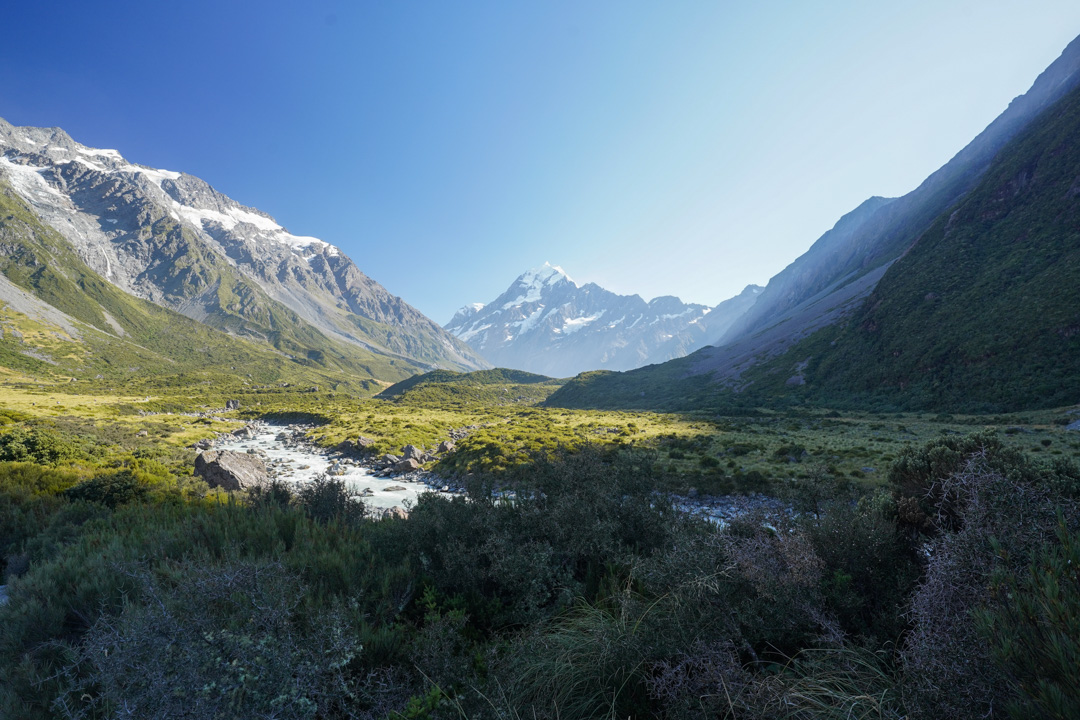
We spent 13 nights road-tripping more than 2,000 miles across both islands of New Zealand and returned home with a ton of great memories and a few things we learned along the way. Some of it is the kind of advice you’d find in any New Zealand travel guide, drive on the left, book accommodation early. A lot of it isn’t.
This post is the practical companion to the actual trip itself. If you’re planning a New Zealand road trip, whether it’s centered on a general exploration of the country or Lord of the Rings filming locations, this is the planning, driving, and logistics info we want to pass on to you.
It covers how to think about your itinerary, why self-driving is the right call, the great state of domestic flying, the rental car mistakes to avoid (including one expensive one we made ourselves), why accommodation on a farm is the best, and a handful of smaller tips to help you plan your trip.
If you’re curious about the exact details of our trip, check out our New Zealand itinerary!
Planning the Trip
We’d like to share a few things we figured out either while planning or, more often, while actually on the ground in New Zealand. Here are a few things worth thinking about as you plan your own trip.
How Many Days Do You Actually Need in New Zealand?
We spent 13 nights in New Zealand and it felt about right for a road trip across both islands. You can do it in less if you’re willing to skip locations, and you can absolutely do it in more if you want to slow down. Here’s the rough breakdown:
- 7-8 days: Doable if you’re efficient. You can hit the major highlights, Hobbiton, Mt. Cook, Queenstown, and maybe a couple filming locations (more than just LOTR was filmed here!). You’ll be moving fast and skipping things you’d want to linger on though.
- 10-14 days: The sweet spot for a real New Zealand road trip. Time for the major locations, a few hikes, and some time to relax and enjoy the country’s stunning scenery.
- 3+ weeks: Now you’re talking. Every local told us we weren’t staying long enough and they were right. You can drive instead of flying between regions, hit the more remote locations, and actually slow down to enjoy each place.
The biggest planning mistake we see people make is trying to cram both islands into a week. New Zealand might look small on a map. It’s not!
North Island vs South Island
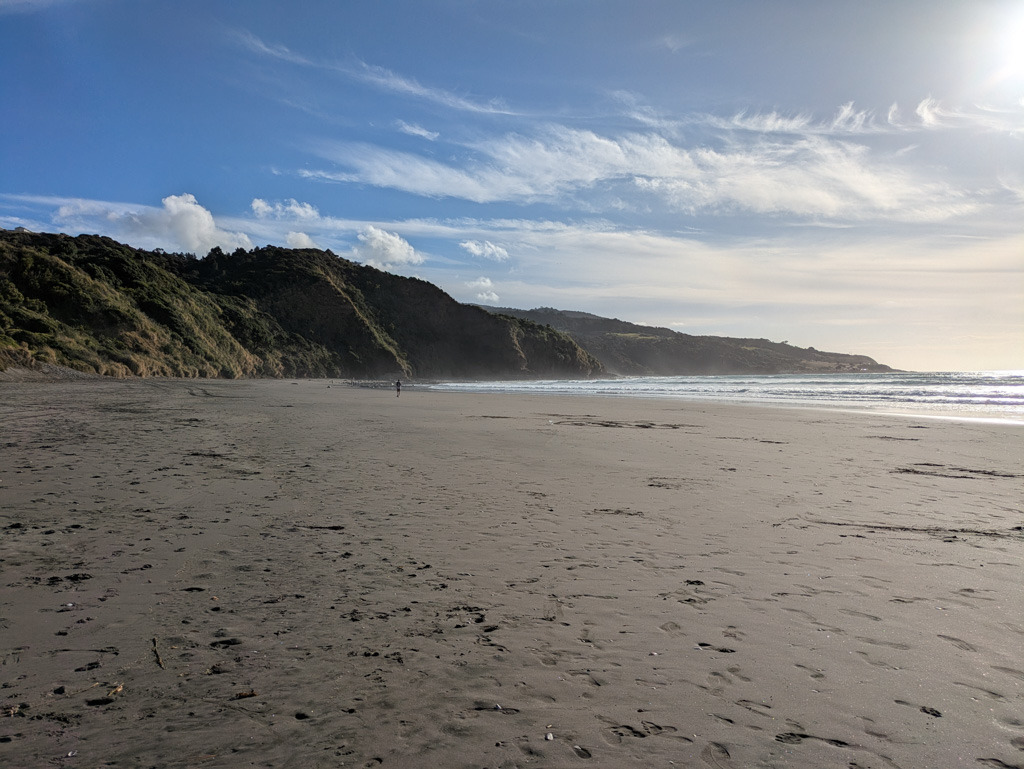
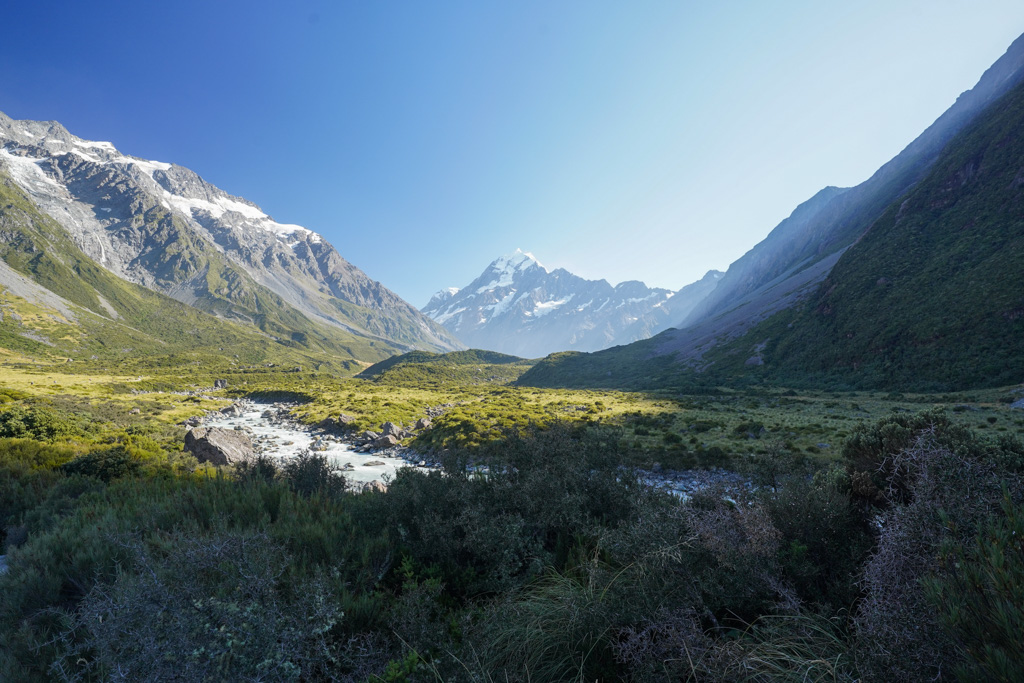
If you only have time for one island, we recommend the South Island. Ideally though, try to see both. We spent most of our time on the South Island and would do it that way again. There were more dramatic landscapes and, to us, it’s where most of the magic of New Zealand lives. We loved our time in the North Island too (we see you Hobbiton and Raglan), but if we were to return, we’d choose the South.
Driving Is the Way
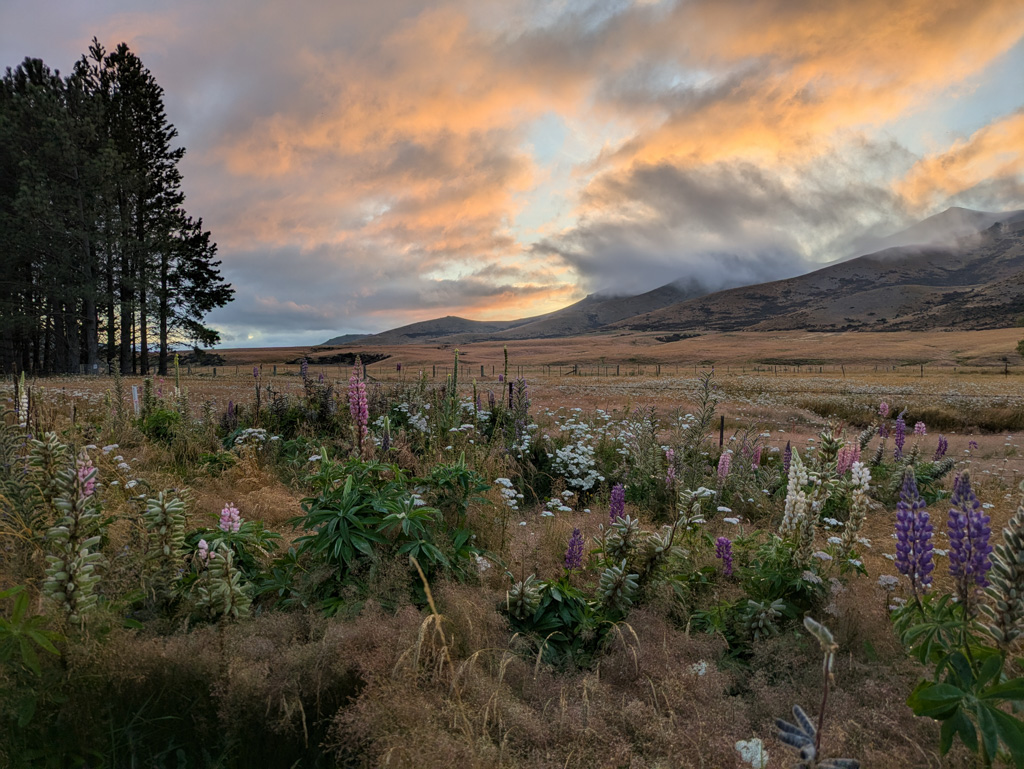
You can take guided tours for plenty of activities, but if you want freedom and flexibility, driving yourself can’t be beaten. Some of the best locations are off the main routes and require pulling over at the right moment. You need your own vehicle for that kind of flexibility. Like any country abroad that we’ve driven in, we highly recommend renting a car and exploring. You’ll see parts of the country that you didn’t plan for and you always have the option to take a different route! Driving lets you spend an unplanned extra hour somewhere because you want to. That’s unlikely on a tour.
A few things to know:
- They drive on the left. Give yourself a day to adjust.
- Distances on the South Island are deceptive. A 200km drive can take 4+ hours because of mountain passes and single-lane roads.
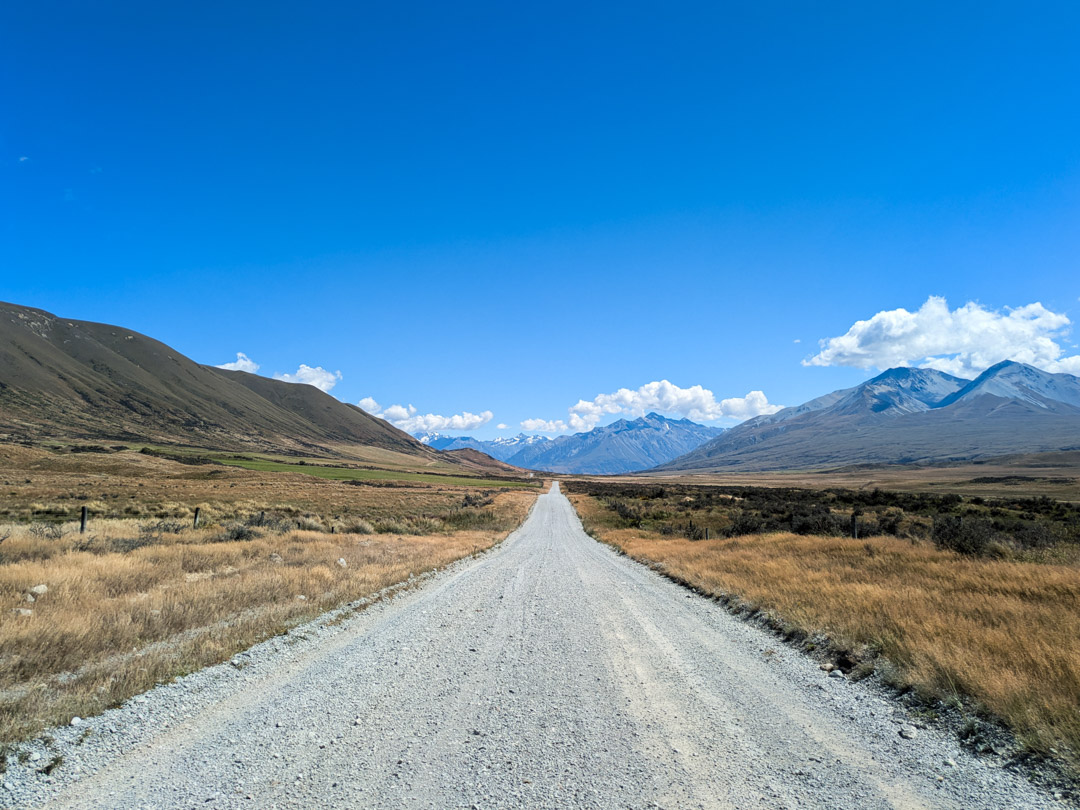
- AWD is worth it. Several of the locations we visited, like LOTR filming locations, involved gravel roads, fording across water or remote farm access.
We’ve got more on rental cars, fuel, and the very specific mistake we made with a diesel truck in the next section.
Domestic Flying Is Surprisingly Good
Domestic flying in New Zealand is genuinely a great experience. There’s no security at regional airports. Once your flight is announced, you line up and board immediately. The whole process from arriving at the airport to being in the air can be under 30 minutes. Flights are cheap by US or European standards, and the time savings over driving can be significant.
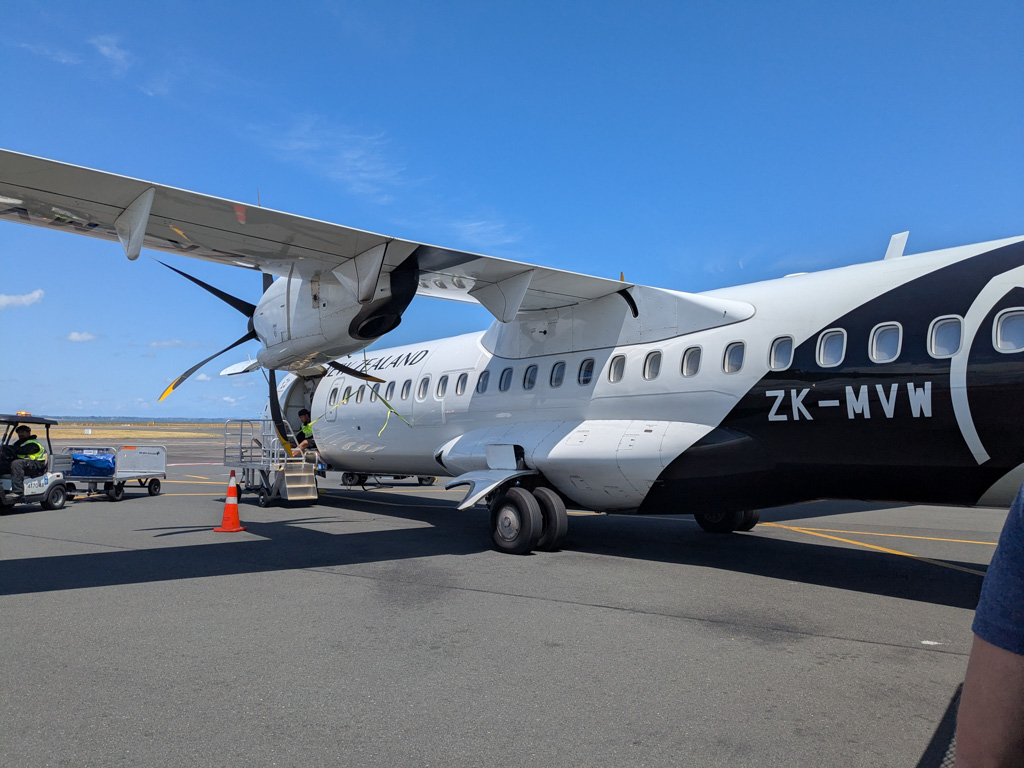
We flew Auckland to Nelson, then Nelson to Christchurch, then Queenstown back to Auckland near the end of our trip. Each of those flights saved us a full day of driving. If we’d had three weeks instead of two, we might have driven some of those legs to see more of the country. With 13 nights, flying was the right call.
The trade-off of flying is you miss everything in between. The drive from Nelson to Christchurch passes through the Marlborough wine region and along the Kaikoura coast, which are both said to be spectacular. We didn’t see either. Worth thinking about!
Book Hobbiton Immediately
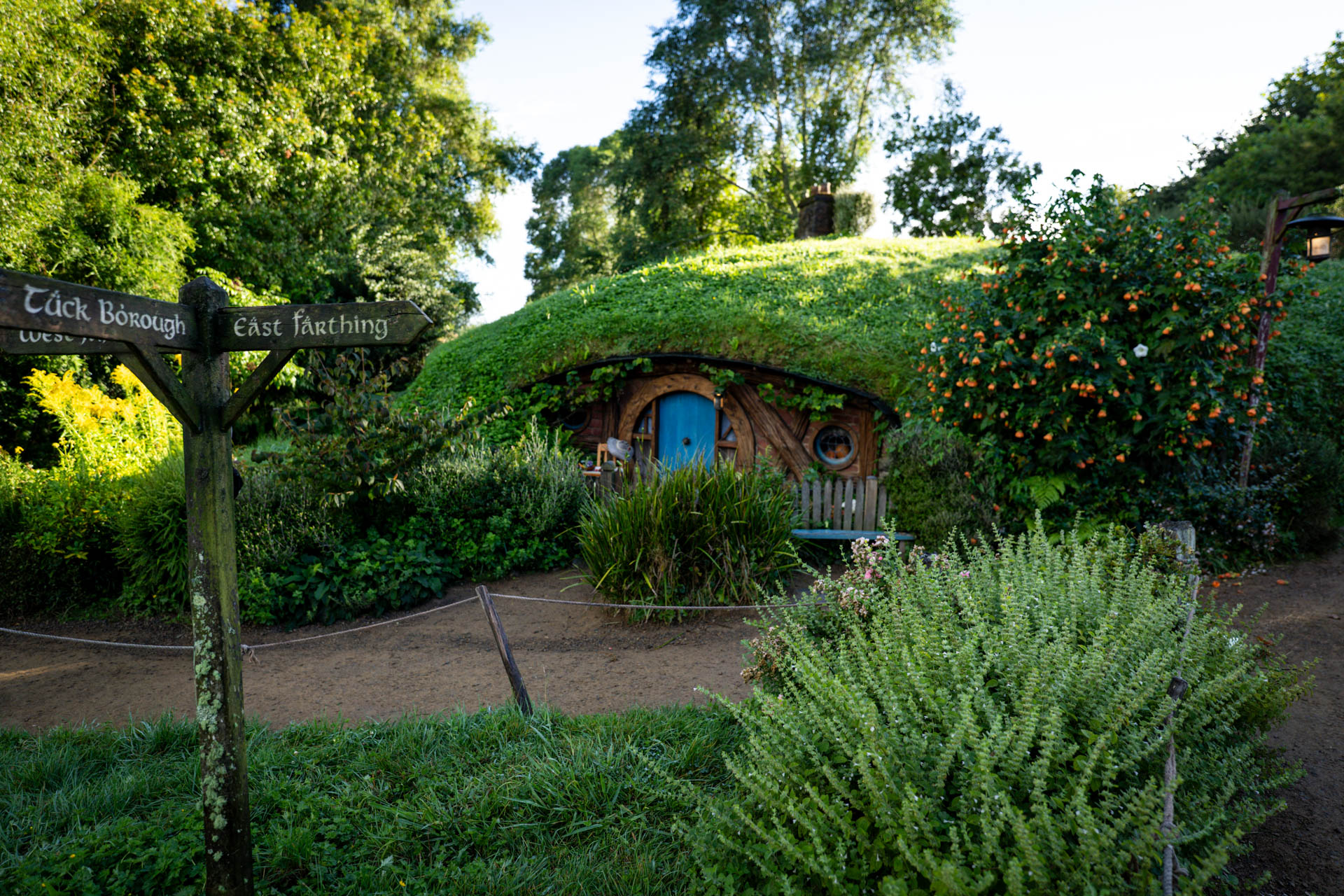
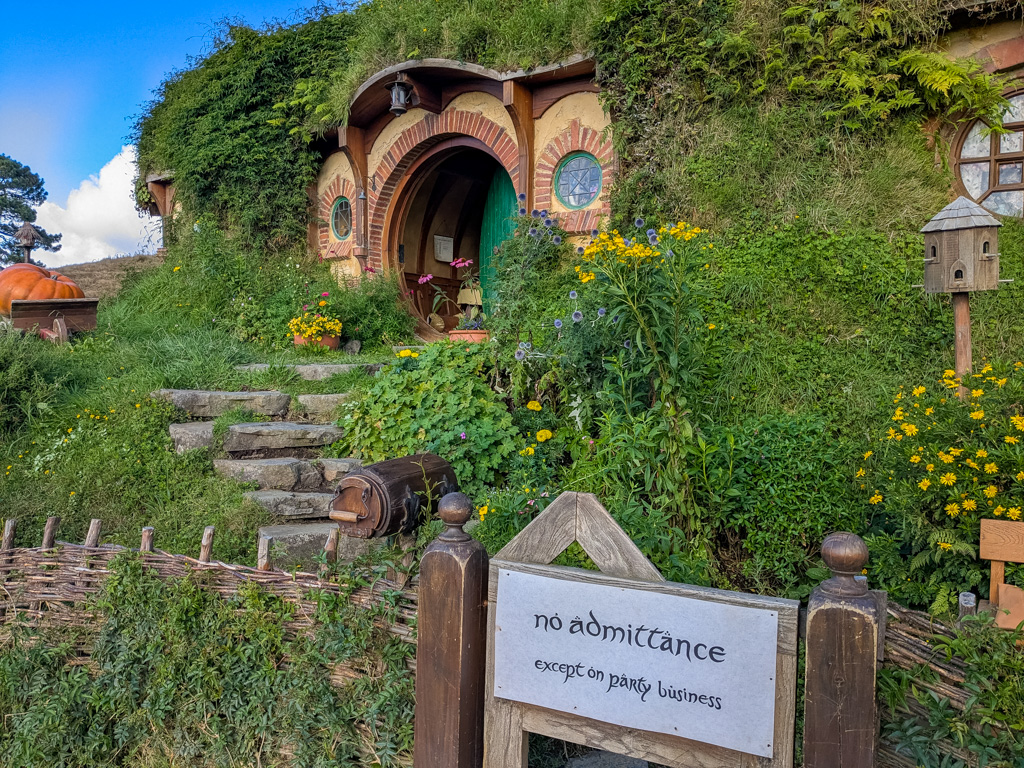
For fans and non-fans of LOTR, Hobbiton is a must-see. Tours sell out months in advance; the breakfast and dinner tours sell out even faster. While we wanted the dinner tour, it was sold outfive months in advance. Luckily we were able to swing the breakfast tour, which is always the first tour of the day. We highly recommend it because no tour group was in front of us and it felt like we had the place to ourselves for a bit. We looked back at the end of the tour and saw so many groups scattered about Hobbiton. The early breakfast tour was one of the highlights of our entire trip.
We booked everything else around the Hobbiton date. Build your itinerary backwards from when you can get into Hobbiton, not forwards from when you arrive. While we recommend a breakfast or dinner tour, if you aren’t able to swing either of those, you still need to visit. A lunch or normal tour is still worth it. You’ll get a free pint at the end
Best Time of Year
We went in February, late summer in the Southern Hemisphere, and the weather was excellent. Warm days, cool nights, long daylight hours. February felt like the tail end of high season as some spots were busy, but never overwhelmingly so. December and January are the peak months when New Zealanders are also on summer holiday, so prices and crowds both spike then. If you can swing February over January, we recommend doing so.
Shoulder season (March-April or October-November) is usually the better choice if you have flexibility in your schedule. That goes for just about anywhere, not just New Zealand. Cheaper, quieter, and still mostly good weather. Winter (June-August) gets you snow on the mountains for incredibly cinematic scenery, but some things might closed or be inaccessible. If you’re into winter adventure sports, that would be a great time to go!
Planning for Dark Skies
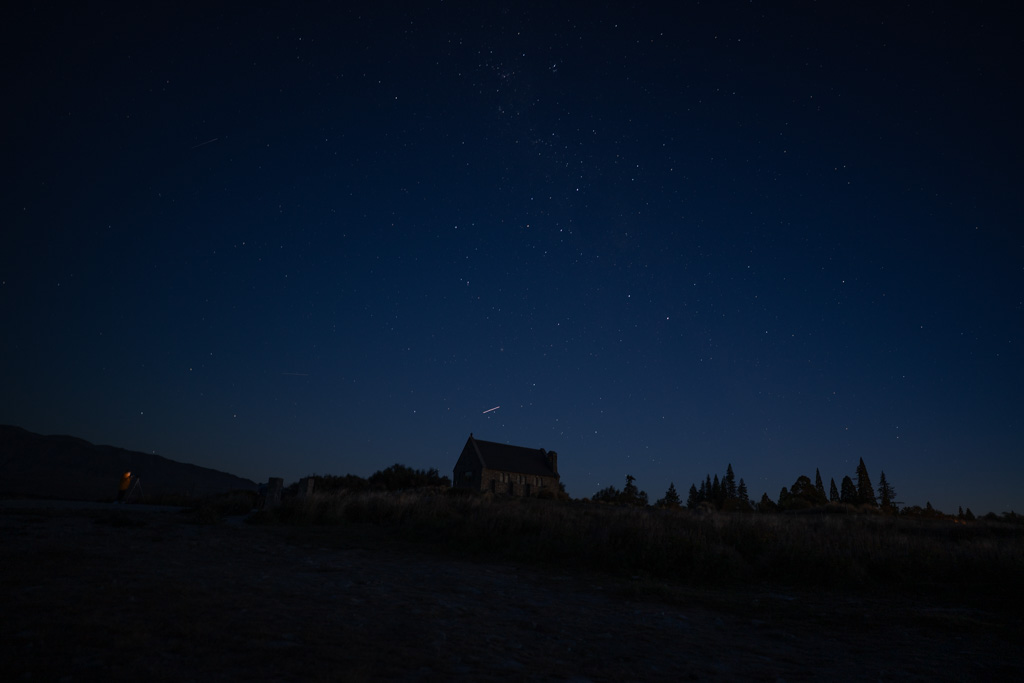
One thing we wish we had considered before booking our trip was the night sky. New Zealand has several designated dark sky areas. If possible, try to plan your trip around the moon phases or when it rises and sets. A quick Google search should tell you this information so you can book the right dates for peak stargazing and astrophotography.
Getting Around New Zealand: Practical Road Trip Tips
Most of what follows we figured out while on the road. None of it is a deal breaker by any means. We still recommend hitting the road to truly experience New Zealand, but it’ll help you plan a smoother trip. Worried about driving in New Zealand? We have you covered in our driving guide.
To Campervan or Not?
This is a question a lot of people consider when planning a trip to New Zealand. There are certainly pros to renting a campervan since you only unpack once, there’s an abundance of campsites, and it can offer the flexibility to see more. We strongly considered the campervan route, but when we tallied up the rental costs, gas, and campsite fees, we realized we preferred the convenience and comfort of renting homes on farms.
If you do choose the campervan route, prioritize booking one with an onboard shower. We had friends who visited the year before us and opted for a campervan with a shower, which was more expensive, but they found it worth the investment. They quickly learned that true “free” campsites were rare and often lacked running water, meaning they usually ended up paying for established campsites with on-site showers anyway. If your van doesn’t have a shower, you’ll be limited to booking campsites that do, which adds an extra layer of planning to your trip.
Choose Your Rental Carefully
We rented two different vehicles on the south island stretch of this trip. The first was a RAV4 for our Nelson and Golden Bay stretch, which was perfect. The second was a diesel truck we picked up in Christchurch for the long South Island leg down to Queenstown. At the rental car counter in Christchurch, we realized that maybe we didn’t want a small car. We knew we’d be driving a lot and gas isn’t cheap. However, to access the more remote parts of New Zealand, where the gems reside, an AWD vehicle made more sense. We ended up renting a diesel Ford Ranger, which was probably way more than we needed but with the last minute change, it was the best option available.
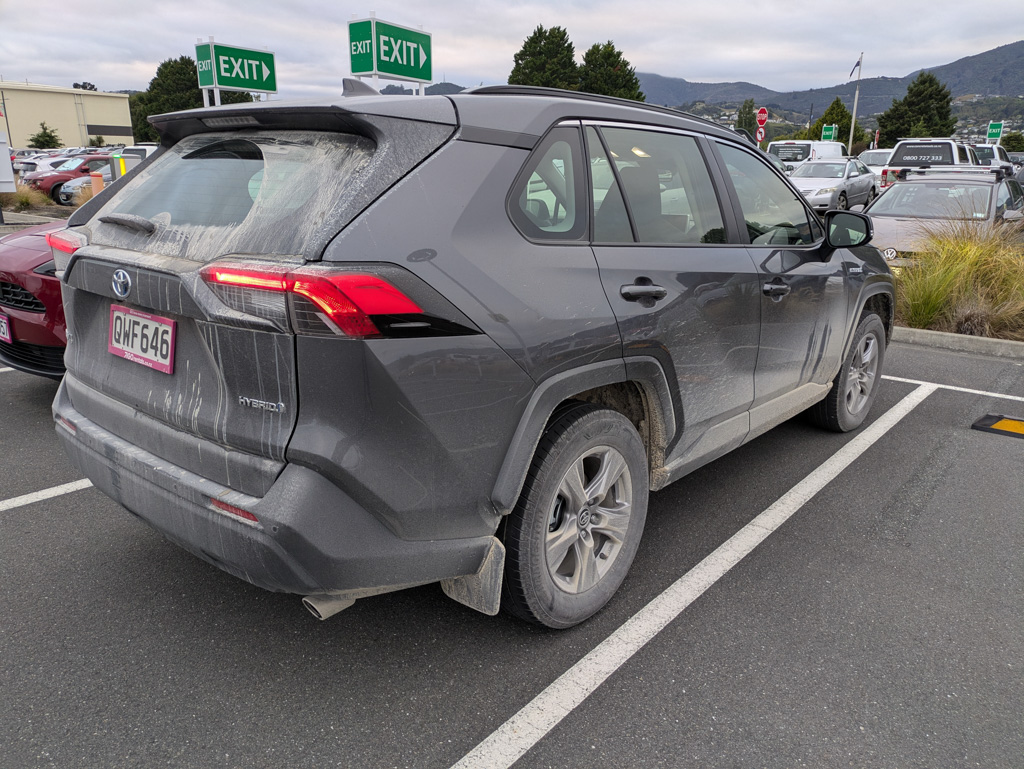
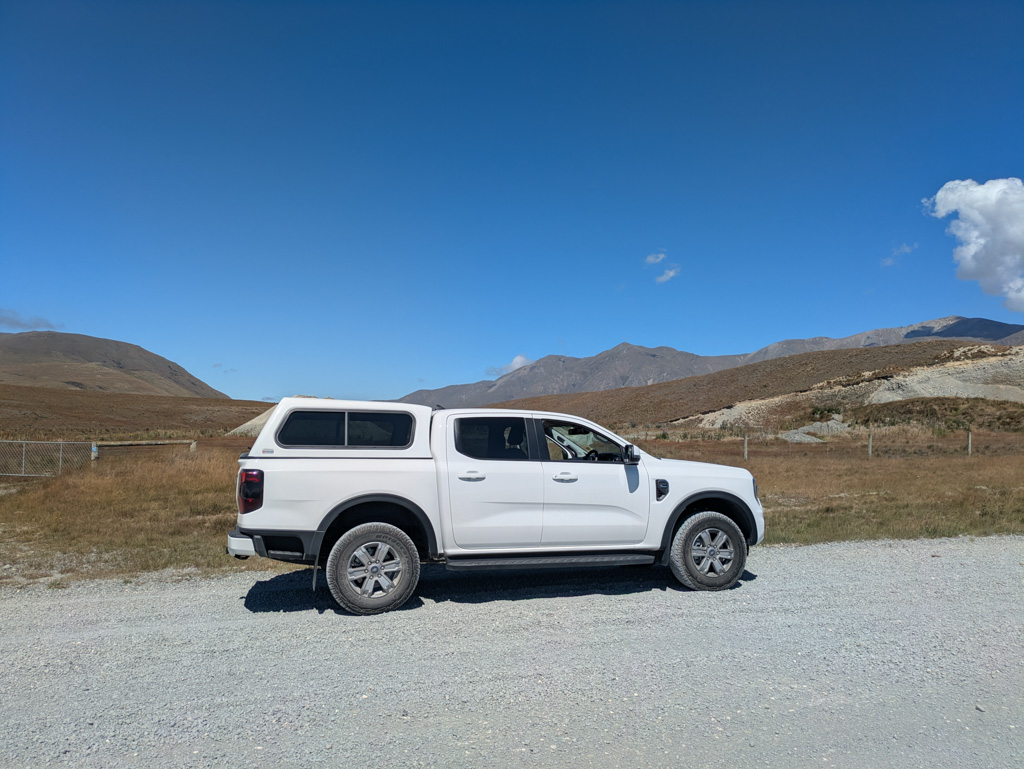
What we’d recommend: a hybrid AWD SUV. You get the all-wheel drive for the gravel roads to places like Mount Sunday, the fuel efficiency to soften the blow of New Zealand gas prices, and a manageable size for the narrow mountain roads. The truck was comfortable and capable, but we paid for capability we didn’t need and burned through fuel doing it. Granted, given our options at the time, we were satisfied with our choice.
A few rental tips:
- AWD is genuinely useful for your road trip. We visited several remote locations and weren’t worried if our car could make it. Get yourself the peace of mind!
- Smaller is better on most New Zealand roads. Mountain passes get quite narrow, parking in small towns is tight, and you’ll be on single-lane roads more than you expect.
- Hybrid if you can get it. Fuel prices in NZ are roughly double what you’d pay in the US, and there’s no way around how much driving this trip involves. Don’t let that turn you away from driving. It’s worth every penny.
Know Your Fuel Type (Seriously)
This is the part where we have to confess.
On our last full day in the Mackenzie Country, we accidentally put petrol in the diesel truck. The green handle was regular and the black handle was diesel. It’s the reverse in the US in our experience. Whoops! By the time we realized, the damage was done. We had planned to hike the Tasman Glacier View Track that morning and explore more of the area around Mount Cook. Instead, we lost more than half the day due to our silly mistake. That said, things have a way of working out. We still were able to have an amazing evening hanging around the Church of the Good Shepherd in Tekapo to do some astrophotography and watch the moon rise.
It cost us a hiking day we’d been looking forward to. The lesson is embarrassingly simple: know your fuel type before you ever pick up the vehicle, and check it again every single time you fill up. Diesel pumps are often a different color and the nozzles are sometimes a different size, but it’s easy to default to autopilot at a pump. Pay attention!
What to do if it happens to you: Do not start the engine. The damage gets exponentially worse the moment you turn the key. We tried calling our rental company and couldn’t get anyone on the phone. Googling “petrol in diesel” is what told us to leave the engine off. We then called a local mechanic about 30 minutes away. It was a Saturday and we got lucky that he was open. He drove out to us, drained the tank, and got us back on the road. We had to drive carefully for the next hour or two to clear the lines, but the truck was fine.
A Note About Gas Stations
Driving in the U.S., you become accustomed to the frequency and convenience of gas stations. This was an adjustment we had to make in New Zealand.
They’re sparse outside cities.
We almost ran out of fuel between stops more than once because we assumed gas stations would be more frequent. They aren’t. On parts of the South Island, you can drive an hour or more between stations. Fill up when you see one, even if you’re at half a tank. We learned to treat half a tank as the cue to start looking for the next station. If you’re on main roads, this won’t be a problem!
They’re not all convenience stores.
Some of the pumps you’ll see on Google Maps are unmanned card-only pumps with no shop, no bathroom, and no snacks. If you’re counting on grabbing food or water at a gas stop, plan ahead. We almost showed up to the Hooker Lake trailhead without enough water because we thought the gas station would have some. Luckily we filled up at the Tasman Delta Cafe along the way, and the trailhead itself had a water station too. Just be prepared!
Distances Are Deceptive
A 200km drive in New Zealand is more than it seems. Mountain passes, single-lane roads, sheep crossings, scenic stops you can’t resist. It adds up. Build a little buffer into every driving day.
This is especially true on the South Island. The North Island had more straightforward driving, but the South Island is where we navigated switchbacks, gravel sections, and roads that wind through some of the most beautiful land on earth (which you will absolutely want to stop and photograph).
Don’t Underestimate Sand Flies. They Are a Real Pain
On the South Island, especially around Fiordland and along DOC tracks, sand flies are a serious nuisance. They look small. They are not a joke. The Pelennor Fields filming location was swarming with them. Their bites leave welts that itch for days.
Pack repellent before you go. We bought a citronella and almond oil repellant from the Doubtful Sound shop and it worked wonders against sandflies (and mosquitos back home). Long sleeves and pants can help too, if you prefer a cleaner method.. They’re most active in still, damp areas. If you get bitten, the itching can last for days, so bring some anti-itch ointment as well. If you don’t have any on you (we didn’t), a quick stop at a pharmacy will do the job.
Pick Up the Hitchhikers (If You Want)
Hitchhiking is more common in New Zealand than in most countries we’ve traveled in, and the culture around it feels safer and more matter-of-fact. We picked up hikers a couple of times on the South Island, mostly people heading to or from trailheads. Some were from the UK and some from Romania. They were great company, full of recommendations, and added an unexpected layer to the trip.
Obviously use your judgment. But if you’ve got space and you see someone in hiking gear, it’s a nice thing to do and it’s part of the country’s character.
Things to Remember on the Road
A few smaller things worth knowing:
- Left side of the road. Give yourself the first day to adjust. Roundabouts are the trickiest part. Driving in New Zealand is very similar to driving in the U.K. check out our post about driving in the U.K. for general rules.
- Cell service was better than we expected but download maps. We rarely lost signal, even in remote areas, long enough to matter. That said, download offline Google Maps for every leg of your trip as a backup.
- Put the phone down and pay attention. Sheep wandering onto the back roads is normal, especially around Glenorchy and Paradise. You’ll see plenty of hikers too. Slow down through farmland and in parks but this is just a generally good rule to follow
Booking, Packing, and Other Things Worth Knowing
Here are a handful of smaller tips that we learned along the way to aid in your planning.
What to Book in Advance
New Zealand gains in popularity every year due to its beauty and adventure. The word is out. Especially in peak tourism months. There are several experiences and general needs that should be taken care of ahead of time.
- Hobbiton is the obvious one (mentioned above). Book this the moment you have dates, especially if you want the breakfast or dinner tour.
- Doubtful and Milford Sound tours. These run from Te Anau and the surrounding area and tend to sell out in peak season. We booked a few weeks ahead and were fine, but earlier is better. Check out tours on RealNZ.
- Stargazing Experiences. Stargazing near Lake Tekapo was one of our favorite experiences of the trip. We used Silver River Stargazing. They provide coats (more on that below), but the tours will fill up so book ahead!
- Accommodation in small towns. Anything off the main tourist trail (Golden Bay, Twizel, Glenorchy) has limited options. Book farm stays and small Airbnbs early.
- Rental cars. Especially if you want AWD or a hybrid, availability tightens up in summer.
Skip the Hotels and Stay on Farms
This was one of the best decisions we made on the entire trip. Almost every place we stayed was a farm stay or remote Airbnb, and they consistently outperformed any hotel we would have booked.
A few highlights:
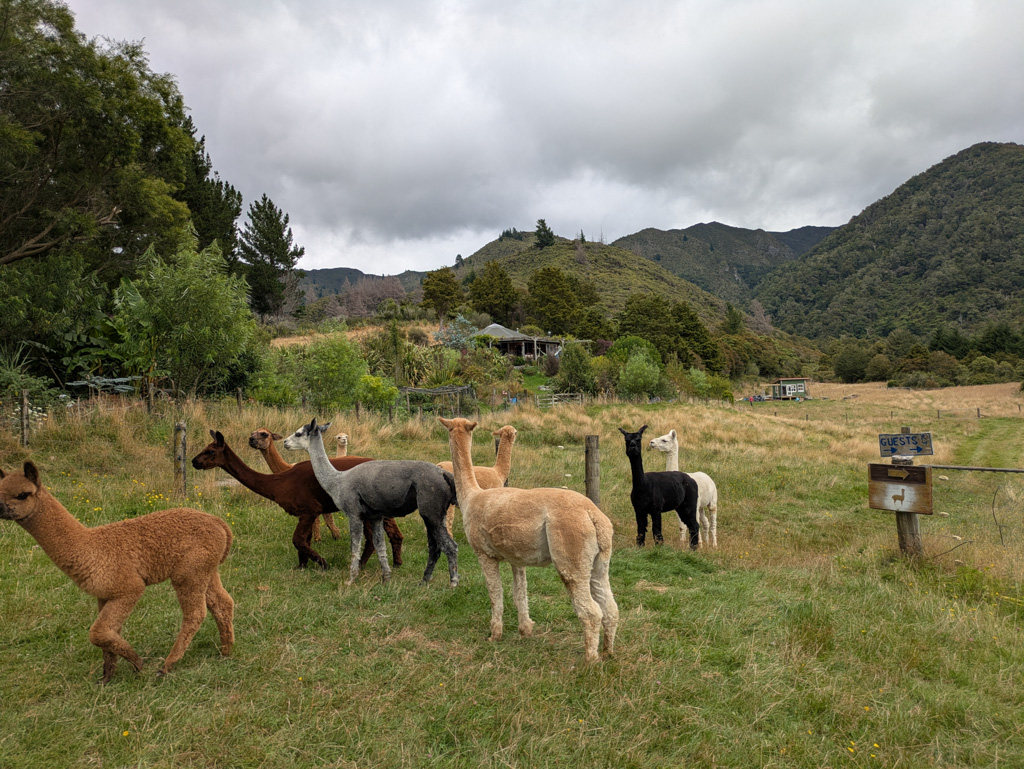
- Golden Bay: A small farm run by a couple, with alpacas to feed, chickens, ducks, and breakfast on the patio overlooking their land. They had a wood-fired hot tub. Quiet, peaceful, completely out in the country.
- Fairlie: A dairy farm with mountain views and still a short drive into town for some world-famous pies. Remote and beautiful.
- Matamata (for Hobbiton): Wood-fired hot tub again, stars overhead, beer in hand. We did it both nights we stayed there.
The only conventional accommodation we used was a small guest house in Queenstown, which was just a base to explore. Every farm stay was memorable.
If you want the trip to feel like New Zealand rather than just a hotel room with a different view outside, book the more remote locations or farm stays.
Pack Layers
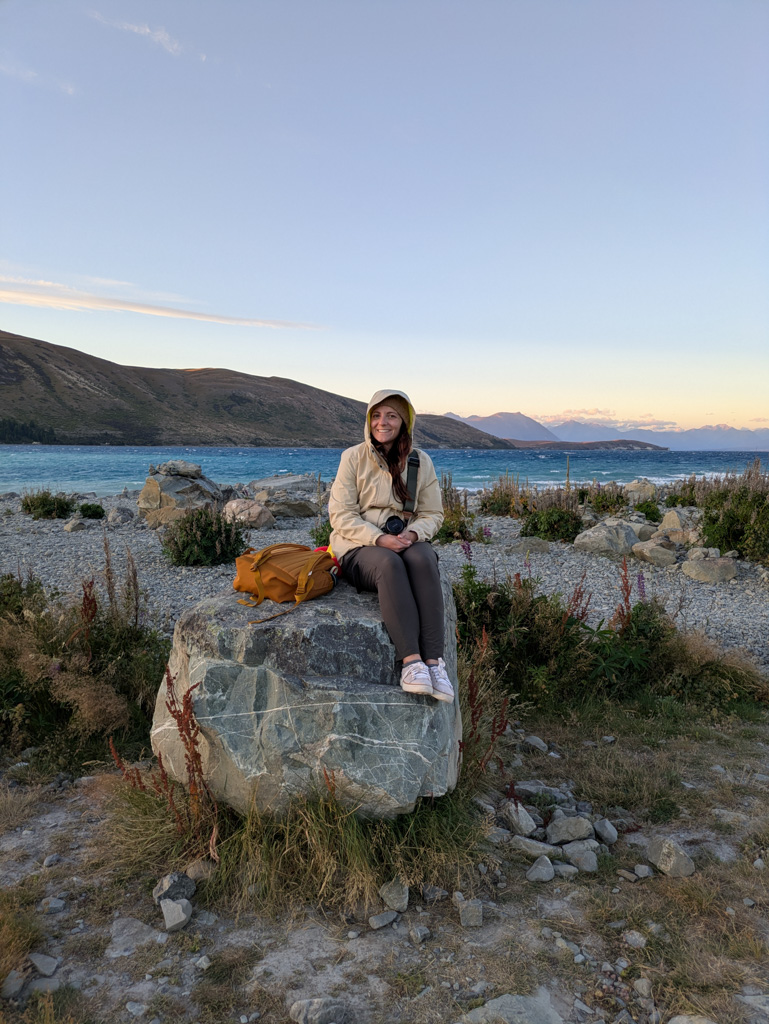
New Zealand summer days can be warm, but nights in the mountains get cool fast. Lake Tekapo, Mount Cook, and anywhere on the South Island at altitude can drop into the single digits Celsius after dark, even in February.
Silver River Stargazing provides parkas because they know exactly how cold it gets. But for casual evening photography, late dinners, or any time you’re outside after sunset, pack a real jacket. We were glad we did.
If you’re going to be hiking or visiting either Doubtful or Milford Sound, always have that rain jacket on hand!
Always Carry More Water Than You Think
We almost showed up to the Hooker Lake hike without enough. We got lucky and filled up at the Tasman Delta Cafe on the way, and the trailhead happened to have a water station. Most trailheads do not.
Carry refillable bottles, top them up whenever you stop somewhere with potable water, and don’t trust that the trail will provide. Even with mild summer temps compared to back home, the South Island sun could be intense.
Carry Cash Just In Case
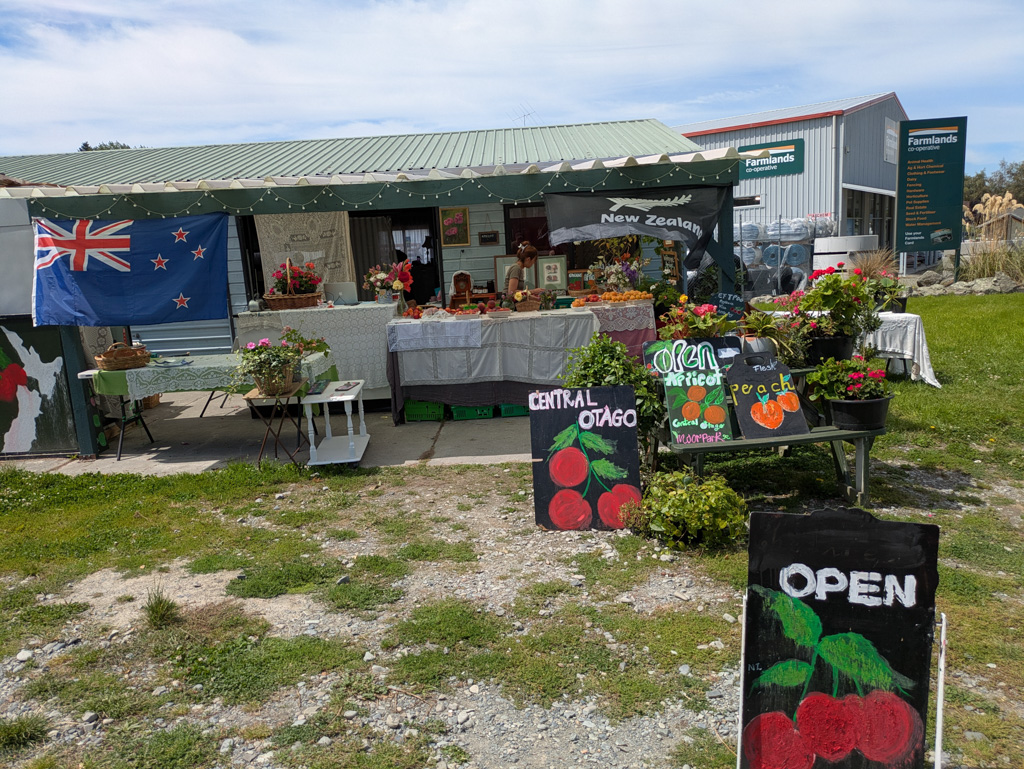
Not everything in New Zealand takes a card. Several smaller attractions and roadside stops operate on honor systems with a cash box. The Clay Cliffs (a great quick stop between Mackenzie Country and Queenstown) is one we remember specifically. There are stone fruit stands and donation-based viewpoints scattered across the country.
Keep a handful of NZD in small bills handy.
Final Thoughts
New Zealand rewards travelers who plan well but stay flexible. The country is small enough to cover meaningfully in two weeks but big enough that distances will surprise you. The major draws, such as Hobbiton and Milford or Doubtful Sound, book up fast in peak season. But the best parts of our trip were almost always the unplanned ones: a roadside fruit stand near Cromwell, a pie shop in Fairlie we kept going back to, and an alpaca farm in Golden Bay that served breakfast on the patio.
Plan the big stuff. Leave room for the rest and go on an adventure.
Got questions about planning your own trip? Drop them in the comments below.
Happy travels!